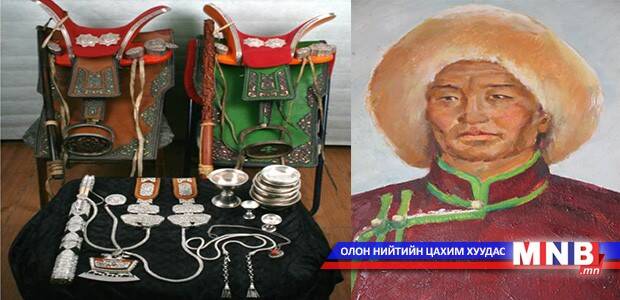
Master Craftsman Tojil – Founder of the Batnorov Style
From a young age, he devoted himself to learning metal craftsmanship. Through talent and dedication, he mastered the art of creating silver ornaments, jewelry, and saddle decorations. Tojil introduced improved casting techniques to Mongolian metalwork, which led to the development of the distinctive Batnorov style, also known as the Tojil style.
His work became famous throughout Mongolia and influenced generations of craftsmen.
Batnorov: A Living Nomadic Tradition
The nomadic families of Batnorov have long been known for their beautifully decorated saddles and bridles. During local festivals and Naadam celebrations, visitors can see magnificent horses wearing traditional silver saddles and ornate bridles.
The region is also closely connected to stories from the life of Chinggis Khan and his loyal companion Boorchi. Because of this, Batnorov is often included in Chinggis Khan heritage tours that explore the history and culture of Eastern Mongolia.
Visit a Local Craftsman During Your Horse Trek
Today, only a few craftsmen continue the Batnorov silver saddle tradition. These artisans preserve the techniques passed down from the students of Master Tojil.
During a horse riding journey in Eastern Mongolia, visitors have the rare opportunity to visit a nomadic family that continues this craft. Guests can watch how saddle ornaments are made and learn about the deep cultural meaning behind these beautiful pieces.
Experience It with Steppe Horse Camp
At Steppe Horse Camp, travelers are invited to experience authentic nomadic life. In addition to horseback riding across the steppe, guests can visit local craftsmen, learn about traditional saddle making, and discover the rich heritage of Mongolian horse culture.
Whether you join an Eastern Mongolia horse riding expedition or a Chinggis Khan heritage tour, the Batnorov silver saddle tradition offers a fascinating glimpse into the artistry and pride of Mongolia's nomadic people.


Add comment
Comments